
Emotional Abuse • Domestic Violence • Childhood Trauma • Narcissistic Abuse • Unhealthy Relationships
Emotional Abuse and Relational Trauma Therapy in Birmingham, Alabama
It Ended. So Why Are You Still Walking on Eggshells?
Maybe the relationship is over. Maybe you moved out of that house years ago. And still you replay old arguments at 2 a.m., flinch at a certain tone of voice, and apologize for things that were never your fault. You question your own memory. You wonder whether it was really that bad, or whether you are overreacting. Somewhere along the way, you started to believe the problem was you.
It was not. What happened in that relationship, or in that childhood, shaped how your mind and body learned to stay safe. That makes sense, and it can change. At Empower Counseling, we offer therapy for women recovering from emotional abuse, domestic violence, childhood trauma, and unhealthy relationships, in person in Birmingham, Alabama, and online anywhere in Alabama.
What Is Relational Trauma?
Relational trauma is harm that happens inside a relationship that was supposed to be safe: with a partner, a parent, or someone close to you. It can include emotional abuse, domestic violence, childhood abuse or neglect, and controlling or manipulative relationships. Because the hurt came from someone you trusted, it often shows up later as trouble trusting others, and yourself.

You May Recognize Yourself Here
Relational trauma rarely looks the way people picture it. There may be no bruises and no single moment you can point to, just a slow wearing down of your sense of self. You might recognize:
- Walking on eggshells, reading every mood before you speak
- Doubting your own memory or judgment after being told, again and again, that you have it wrong
- Feeling like something bad is always about to happen, even when you are safe
- Apologizing constantly, or feeling guilty the moment you say no
- Memories, nightmares, or reminders that pull you right back into it
- Missing someone who hurt you, and hating yourself for missing them
- Finding yourself in the same kind of relationship, again
- A childhood where love felt conditional, unpredictable, or unsafe
- Not knowing who you are anymore outside of keeping everyone else okay
You don't have to be in crisis to deserve support. If any of this sounds familiar, reaching out is the right thing to do.
"You are not too sensitive. You learned to survive in a relationship that was not safe, and the part of you that learned it deserves care, not blame."
Our Approach to Relational Trauma Therapy
For many women, the hardest part is not the memory of what happened. It is the conclusions they drew from it: that they are too much, that they cannot trust themselves, that they somehow caused it. So the work begins by separating what happened to you from who you are. The hypervigilance, the people-pleasing, the second-guessing were ways of surviving, and they worked. Now they are costing you more than they protect you.
Our therapy is trauma-informed from the first session. Safety, trust, and pacing come first, and you never have to tell more of the story than you are ready to tell. Drawing on Acceptance and Commitment Therapy (ACT), trauma-informed CBT, and DBT-informed skills, the work helps you understand why you react the way you do, steady an overwhelmed nervous system, and practice the boundaries and communication that keep you safe.
The goal isn't to erase what happened. It's to help you trust yourself again, build relationships that feel safe, and live a life that is about more than getting through it.
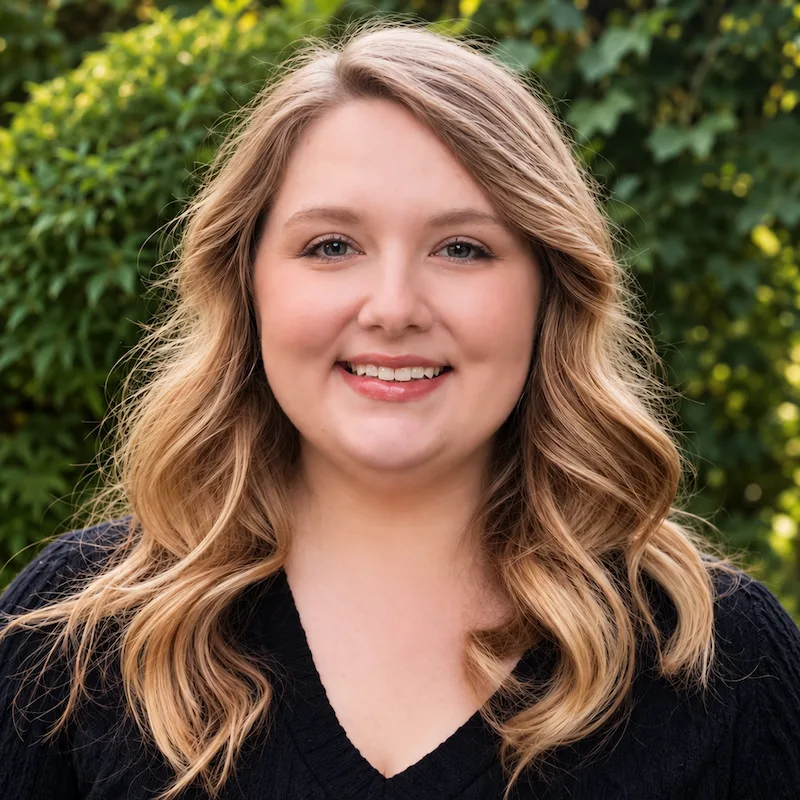
Meet Your Therapist
Cathrine Barnett, M.Ed., ALC
She helps women who have been living life on hard mode — and who are ready to stop surviving their past and start enjoying their life.
Cathrine Barnett specializes in helping women recover from emotional abuse, domestic violence, childhood trauma, and unhealthy relationships. Her sessions are warm and conversational, and she cares about the why: helping you connect what happened then to how you feel and react now. She pairs that understanding with practical skills for boundaries, overwhelming emotions, and hard conversations, always at a pace that feels safe.
She sees clients in person in Birmingham and online throughout Alabama.
What Becomes Possible
You trust yourself again.
Saying no stops feeling dangerous.
The past loosens its grip.
Your relationships feel safe.
Not sure where to start?
Here's what to do.
01
START WHERE YOU ARE
You don't need the right words or a clear diagnosis. Just give us a call or fill out the contact form below - everything begins there, and nothing asks more of you than you're ready to give.
02
WE FIND WHAT YOU NEED
Not sure who to see? Once you have reached out, we will take it from there - placing you intentionally with the therapist that fits you best.
03
RECLAIM YOUR LIFE
Through evidence-based therapy built around your values and your life, you move from surviving the hard season to building something that actually feels like yours.
If You Are Not Safe Right Now
If you are in immediate danger, call 911. For free, confidential support and safety planning 24 hours a day, call the National Domestic Violence Hotline at 1-800-799-7233 or text START to 88788, or call the Alabama Domestic Violence Hotline at 1-800-650-6522. If you are having thoughts of suicide, call or text 988. If you are worried someone monitors your phone or computer, read this page on a device they cannot access.
Common questions
You don't have to have it figured out to reach out.
Was it really abuse if there was no hitting?
It can be. Emotional abuse includes insults and humiliation, threats, cutting you off from people you love, controlling money or where you go, and making you doubt your own reality. It is common. In the CDC's 2023/2024 National Intimate Partner and Sexual Violence Survey, 30.2% of women in the United States reported psychological aggression by an intimate partner during their lifetime. You do not need a label for it to deserve support. If a relationship left you anxious, small, or unsure of yourself, that is reason enough to talk to someone.
Why do I still feel unsafe when it's over?
Your nervous system learned to stay on alert because, for a long time, it needed to. That alertness does not switch off just because the relationship ended or you grew up and moved away. Nightmares, a quick startle, and the sense that something bad is coming are signs of that learning, not signs that you are broken. Therapy helps your body and mind catch up to the fact that you are safe now.
Why do I keep ending up in the same kind of relationship?
Patterns learned early tend to feel familiar, and familiar can feel like home even when it hurts. That is not a character flaw. In therapy, you look at where your patterns came from, what you actually need in a relationship, and how to spot the early warning signs, so you can choose differently.
I think my ex is a narcissist. Can therapy help with that?
We don't diagnose someone who isn't in the room, but we take your experience seriously. Whatever the label, being manipulated, belittled, or made to doubt yourself leaves real marks. Therapy keeps the focus on you: understanding what happened, rebuilding trust in your own judgment, and recovering the parts of yourself that got lost.
Do I have to talk about everything that happened?
No. You set the pace. Many women find real relief from learning skills and understanding their own reactions long before they share the details. Your therapist will never push you further than you are ready to go.
My partner says I'm the problem. Should we try couples counseling?
When there is ongoing abuse or fear in a relationship, couples counseling is usually not the safe first step, because it can put the person being harmed at greater risk. Individual therapy and safety planning come first. If you are not sure whether what is happening counts as abuse, an individual session is a good place to sort that out.
Can I do this therapy online?
Yes. Empower offers online therapy throughout Alabama and in-person sessions at our Birmingham office. Online sessions can feel easier when leaving the house or sitting in a waiting room feels like a lot. If you share a home with someone who might listen in, your therapist will help you plan a private, safe time to meet.
You reached out. That matters.
You are not alone. Let's begin.
Empower is accepting new clients now. In person in Birmingham · Online throughout Alabama.